
History of Los Pintados
Filipino tattooing has a long and deeply symbolic history that predates Spanish colonisation. Across many pre-colonial societies in the Philippines, tattoos were not merely decorative—they served as markers of identity, achievement, spirituality, and social status. Designs were traditionally applied using hand-tapped methods and natural pigments, with patterns reflecting the wearer’s life experiences, tribal affiliation, and role within the community. Warriors, in particular, earned tattoos to commemorate acts of bravery, while others signified protection, maturity, or beauty.
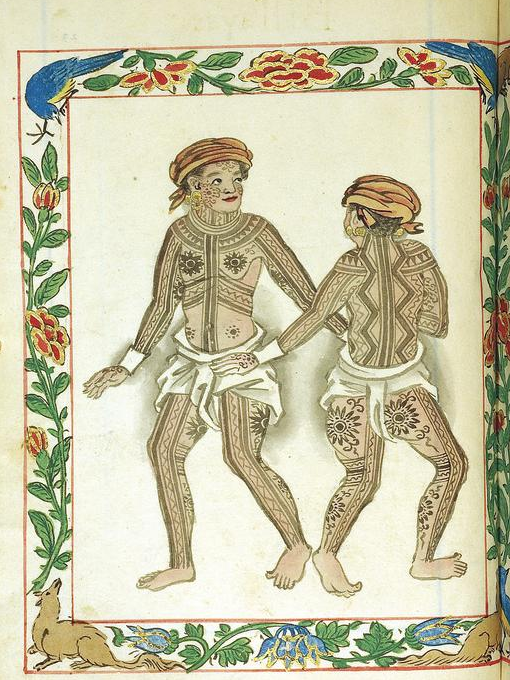
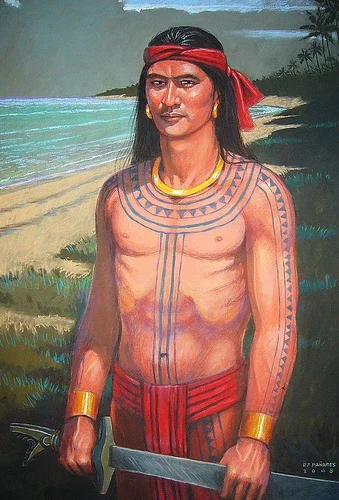
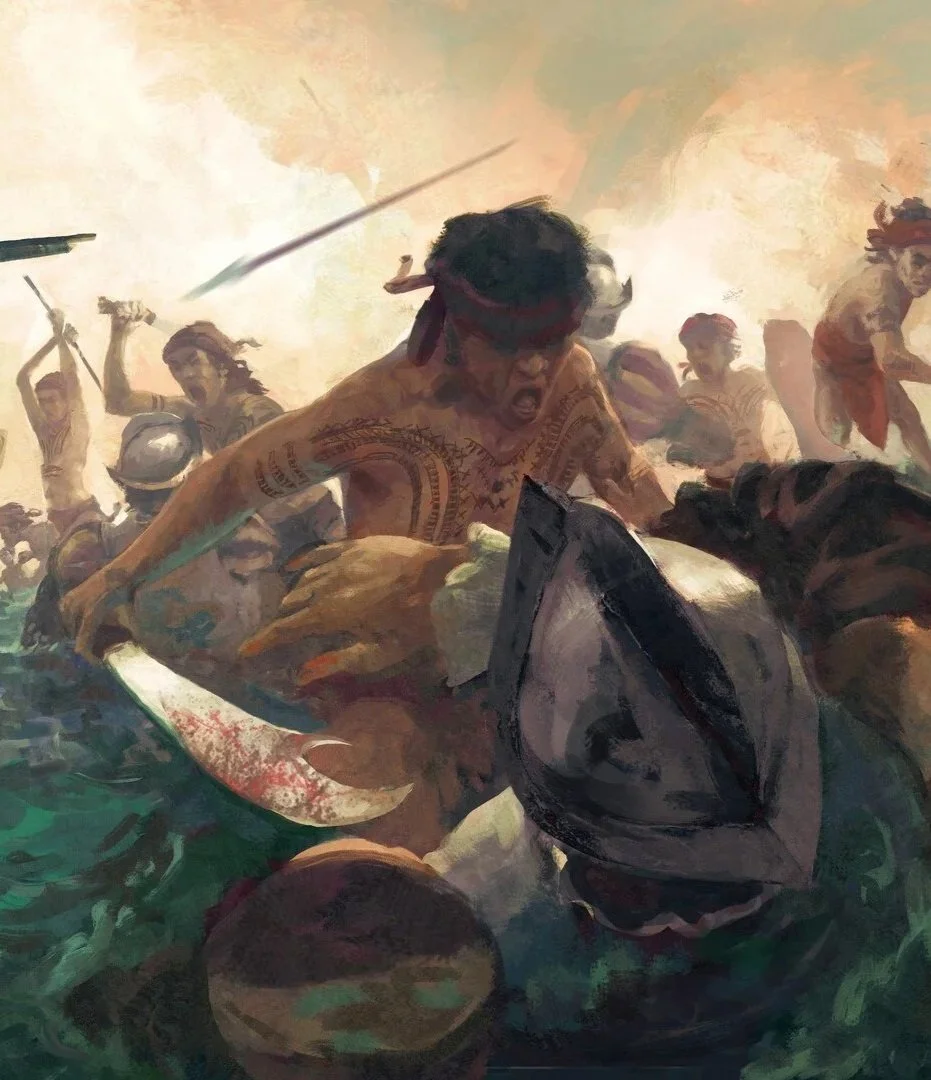
One of the most well-known historical references to tattooed Filipinos comes from early Spanish accounts of the Visayan people, whom the colonisers called Los Pintados, meaning “the painted ones.” When the Spanish first arrived in the 16th century, they encountered Visayan warriors whose bodies were extensively covered in intricate geometric and nature-inspired tattoos. These markings were so striking that they became the defining feature by which the Spaniards described the people of the region. Among the Visayans, however, these tattoos were far more than body art—they represented honour, courage, and social standing, with more elaborate patterns often reflecting greater achievements in battle.
Although many traditional tattoo practices declined during the colonial period due to suppression and changing cultural norms, interest in indigenous Filipino tattooing has experienced a strong revival in recent decades. Today, artists and researchers continue to study historical records and surviving traditions to reconnect with this heritage and preserve the cultural meanings behind the designs. For many Filipinos and members of the diaspora, these tattoos are a powerful way to honour ancestry, reclaim identity, and celebrate a living cultural legacy.
If you would like to learn more about the history and meaning behind Los Pintados, or if you are interested in receiving a traditional Filipino tattoo, we encourage you to look into the groups and individuals listed below. Their work preserves and honours the rich tattooing traditions of our ancestors while helping keep this cultural heritage alive today.
Apo Whang-od & Grace Palicas
https://www.facebook.com/palicasgrace/?locale=en_GB
Lane Wilcken
lanewilcken.com
Tatak ng Apat na Alon Tribe
https://www.apat-na-alon-tribe.com/our-history